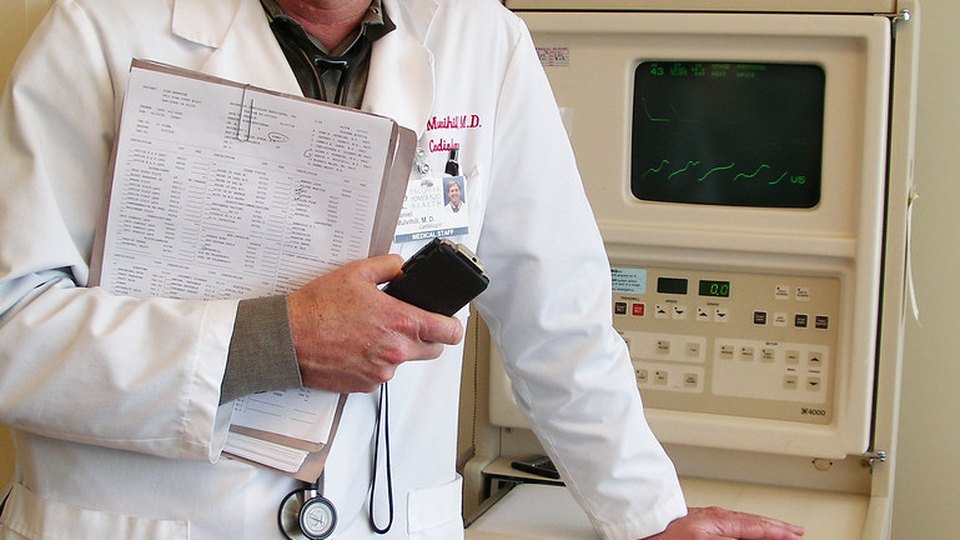
A personal health record does not need to be complicated. A single folder, note app, or printed sheet can prevent confusion when you see a new clinician, change insurance, travel, or help a family member in an urgent situation.
The most important items are your current medication list, allergies, major diagnoses, surgeries, vaccine history, preferred pharmacy, emergency contacts, and clinician names. Add recent lab results or home readings if you track blood pressure, glucose, weight, peak flow, or symptoms.
Keep dates attached to everything. A vaccine without a date is less useful, and a lab value without context can cause unnecessary worry. If you receive care from several offices, ask each portal for downloadable summaries after major visits.
Review the record twice a year and after any hospital visit, new diagnosis, or medication change. Good records help clinicians make safer decisions, but they also help you notice gaps, duplicate medicines, and questions worth asking at the next appointment.
Quick Takeaways
- Track medicines, allergies, diagnoses, vaccines, and clinician contacts.
- Attach dates to lab results and procedures.
- Update the record after major care changes.
Sources and Further Reading
This article is for informational purposes only and does not replace professional medical advice, diagnosis, or treatment. Always speak with a qualified healthcare professional about personal health questions.
Article Was Generated By AI.